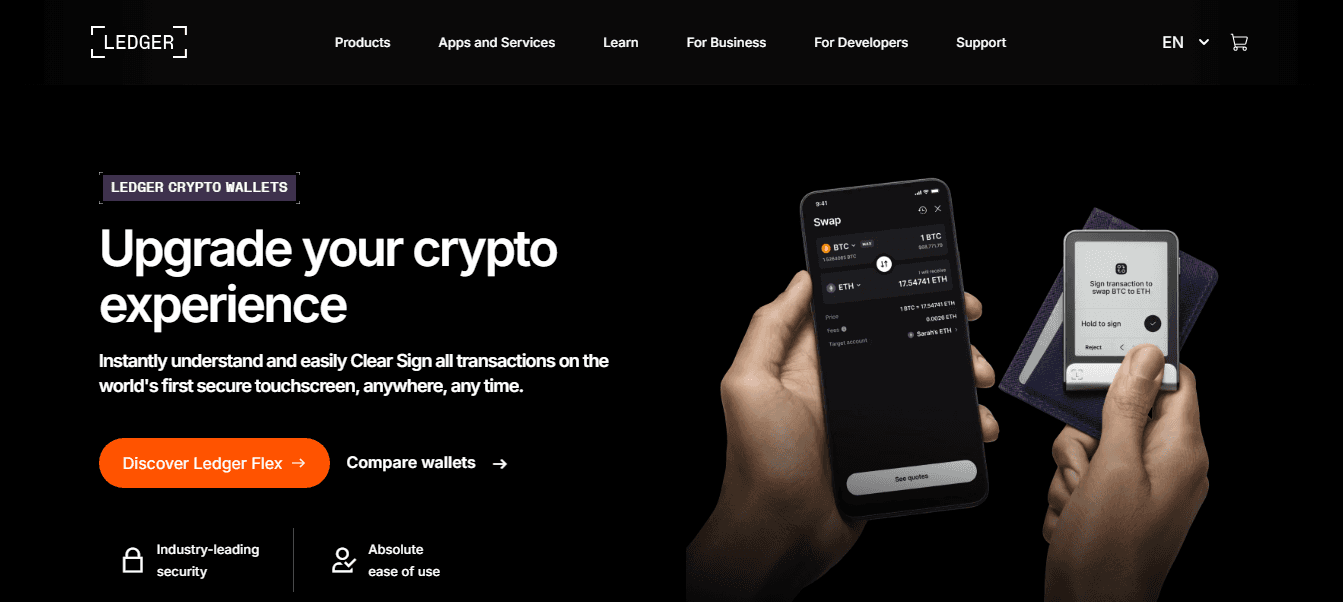
Ledger Live: Complete Guide to Download, Setup, and Use Your Ledger Hardware Wallet
Cryptocurrency security starts with trust — and a trusted wallet. Ledger Live is the official companion app for Ledger hardware wallets, offering a simple and secure interface to manage your crypto assets. Whether you’re new to crypto or an experienced user, this guide helps you install, set up, and use Ledger Live safely in a few clear steps.
What Is Ledger Live?
Ledger Live is software developed by Ledger, designed to work with their hardware wallets (like Ledger Nano S, Ledger Nano X, etc.). It allows you to view balances, send and receive coins or tokens, manage multiple assets, and update firmware — all from one place. Because the private keys stay on the hardware device, Ledger Live combines convenience with high security.
Why Use Ledger Live with a Hardware Wallet
Using Ledger Live together with a Ledger device offers serious advantages:
Private keys remain offline and secure on the hardware wallet.
Transactions require physical confirmation on the device, preventing remote hacking.
You can manage many cryptocurrencies and tokens from the same app.
Easy to track balances, portfolio value, and history of transactions.
Preliminary Checks Before Setup
Before installing Ledger Live, ensure:
Your Ledger hardware wallet package is intact and sealed.
You’re using a safe — ideally — personal computer, not a public or untrusted one.
You have a stable internet connection to download the software.
Using unfamiliar or shared devices can expose your wallet to risk. Also avoid downloading software from random websites — always use the official source.
Step 1: Download and Install Ledger Live
To begin:
Visit the official Ledger website (ledger.com).
Download the version of Ledger Live compatible with your operating system (Windows, macOS, Linux, or mobile).
Install the software following on-screen instructions.
Launch Ledger Live after installation.
Be sure the download link is genuine and from the official site. This ensures you get the legitimate version — not a fake or malicious one.
Step 2: Connect Your Ledger Device
Once Ledger Live is installed:
Connect your Ledger hardware wallet (e.g. Ledger Nano S or X) to your computer using a USB cable or Bluetooth (if your model supports it).
Unlock the device using its PIN.
The hardware wallet and Ledger Live must work together — the device holds your private keys, while Ledger Live provides the interface.
Step 3: Initialize or Restore Wallet
When setting up for the first time, you’ll either:
Initialize a brand new wallet
Restore an existing wallet using your recovery seed
If setting up new:
Follow on-device instructions to generate a recovery seed (usually 24 words).
Write down the seed carefully and store it offline (on paper, metal backup, etc.).
Confirm the seed on the device.
If restoring:
Choose “Restore wallet” in Ledger Live, and input your recovery seed when prompted — but do not type the seed into the computer; only confirm it on the hardware device if required.
Never store the recovery seed digitally or share it with anyone. The seed is the only way to recover your funds if the device is lost, damaged, or stolen.
Step 4: Add Cryptocurrency Accounts
After initialization or restoration:
In Ledger Live, go to “Accounts” section.
Click “Add account.”
Choose the cryptocurrency (e.g. Bitcoin, Ethereum, etc.).
Approve on-device to add the account.
You can add multiple accounts for different coins or tokens. Ledger Live supports a wide range of cryptocurrencies — making it a versatile tool for diversified portfolios.
Step 5: Receiving and Sending Funds
To receive crypto:
Open Ledger Live → select an account → click “Receive.”
Your Ledger device will display a wallet address. Confirm that the address shown on the computer matches the one on the hardware device.
Share this address with the sender.
To send crypto:
Choose an account in Ledger Live → click “Send.”
Enter recipient address and amount.
Confirm the address and transaction details on the hardware device, then approve.
Always verify the address on the physical device — never rely only on your computer screen. This ensures that malware cannot manipulate addresses.
Step 6: Firmware Updates & Software Maintenance
Your Ledger device and Ledger Live software receive occasional updates. These might add support for new coins, improve performance or fix security issues.
To update:
Launch Ledger Live.
If update available, follow prompts to update — also follow instructions on your hardware device.
Never unplug the device during firmware update.
Regular updates help keep security strong and support up-to-date.
Security Tips & Best Practices
To maximize safety:
Always keep your recovery seed offline and away from cameras or electronic storage.
Never enter the recovery seed on any website or computer.
Use a private and trustworthy computer to access Ledger Live.
Verify transaction addresses on the hardware device itself.
Avoid phishing attempts: Ledger will never ask for your seed via email or site.
Consider a waterproof or fire-proof backup for your recovery seed for long-term protection.
Troubleshooting and Support
If you face any issues — such as device not recognized, connection errors, or transaction problems — use the official support resources available on the Ledger website. Avoid relying on random online forums or unofficial help — scammers often impersonate support channels to steal recovery seeds or trick you into installing malware.
If your device is lost or damaged, the only way to recover funds is with the recovery seed. Losing the seed means you cannot access your crypto anymore — so treat the seed like a bank-vault key.
Conclusion: Why Ledger Live Matters
Ledger Live — combined with your Ledger hardware wallet — gives you a powerful, secure, and easy-to-use way to manage your cryptocurrency. It keeps private keys offline, enforces physical confirmation for transactions, and supports a wide range of assets. With careful setup, proper seed backup, and good security habits, your crypto investment remains well protected.